

Margin Leakage at Scale: How Unstandardized Turnover Chemistry and Training Drain Portfolio Value
Margin Leakage at Scale: How Unstandardized Turnover Chemistry and Training Drain Portfolio Value

A single inconsistent turnover may not look like a financial threat.
One cleaner uses too much product. Another skips a touchpoint. A third relies on a trick learned from a former supervisor. Then a guest reports residue, odor, hair, or buildup. Your team sends someone back.
The cost feels small.
Across dozens or hundreds of properties, it becomes margin leakage.
Margin leakage is the gap between the profit your turnover model should produce and the profit it actually produces. It hides in extra labor, wasted chemistry, damaged surfaces, retraining, re-cleans, missed turnovers, and rushed decisions.
The danger is not one bad clean. The danger is uncontrolled variation repeated at scale.
The Portfolio Value Problem Nobody Sees on the P&L
Vacation rental operators manage a network of individual homes. But guests experience one brand.
They expect the same clean, safe, guest-ready standard at every location. Your operation, however, may be running on different products, different dilution habits, different checklists, and different definitions of “done.”
That creates a dangerous disconnect.
Your pricing may be standardized. Your cleaning fees may be standardized. Your guest promise may be standardized.
But if your turnover chemistry and training are not standardized, your cost-to-serve is moving underneath the business.
Common sources of leakage include:
Product overuse and incorrect dilution
Too many cleaning products and unnecessary SKUs
Inconsistent cleaning times by property
Re-cleans caused by missed details
Surface damage from incorrect chemistry
Senior staff repeatedly retraining new cleaners
Tribal knowledge that disappears when employees leave
Last-minute schedule changes and missed turnover windows
Unclear handoffs between cleaning, laundry, maintenance, and inspection teams
These costs often appear in separate places. Labor may absorb the re-clean. Operations may absorb the guest recovery. Maintenance may absorb the surface repair. Procurement may absorb the excess product spend.
The portfolio absorbs all of it.
Product Sprawl Is a Quiet Cost Multiplier
Walk into several supply closets across your portfolio and you may find a different system in every location.
One team uses a general-purpose spray for nearly everything. Another has separate products for every variation of glass, stone, wood, stainless steel, and flooring. A third team brings products from home or purchases replacements locally.
This is product sprawl.
More products do not automatically create better cleaning. They often create more confusion.
When your team has too many choices, you increase the risk of:
Choosing the wrong chemistry for a surface
Mixing incompatible products
Applying too much concentrate
Running out of a critical product during a turnover
Carrying excess inventory between properties
Storing products improperly
Training new staff on an expanding list of procedures
The result is not just a higher supply bill. It is slower decision-making and greater operational risk.
A smarter approach is to create an approved chemistry map. Assign the right product to the right soil, surface, and task. Then make that choice easy for every cleaner to repeat.
That is the foundation of smart chemistry for cleaning systems.
Overuse Looks Like Thoroughness: Until It Damages the Asset
Overuse often begins with good intentions.
A cleaner sees a difficult bathroom and assumes more product means more power. A team member applies extra floor cleaner to chase a shine. Someone uses an aggressive alkali on a surface that requires a gentler protocol.
The immediate result may look acceptable. The long-term result can be costly.
Excess chemistry can create:
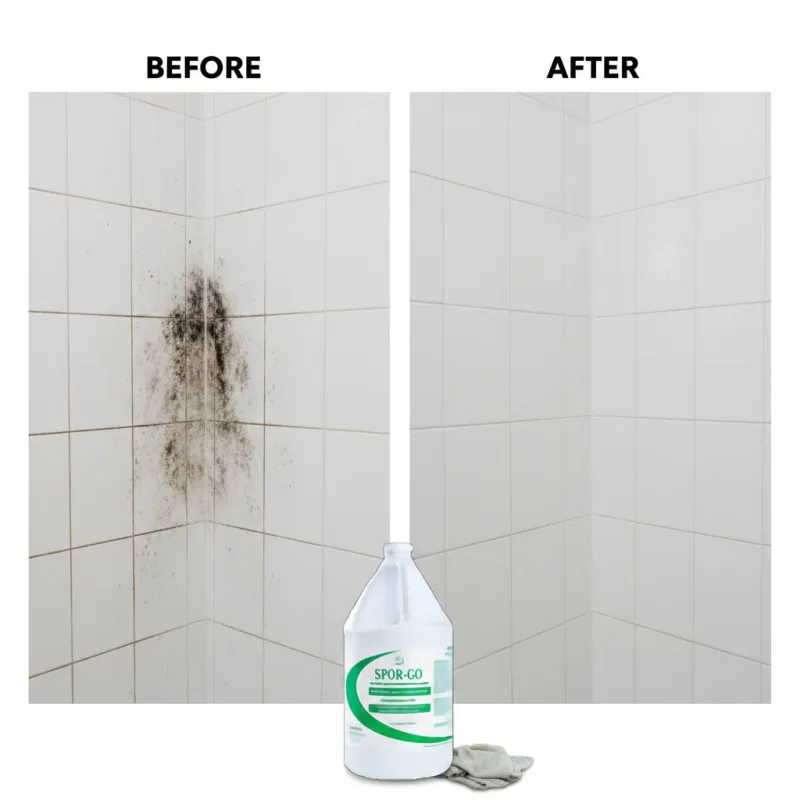
Sticky or hazy residue
Floor buildup
Streaked glass
Dull finishes
Etched stone
Discolored grout
Deteriorated sealants
Strong odors that affect the guest experience
This is where cleaning becomes both an art and a science. The right result depends on chemistry, dilution, dwell time, agitation, temperature, and surface compatibility.
Your staff should not have to guess.
A standardized turnover system should define:
Which chemistry belongs on each surface
The correct dilution or dispensing method
Required dwell time
Approved tools and cloth colors
What to do when a soil does not respond
When a problem is cleaning-related versus maintenance-related
This protects your properties while reducing waste.
It also helps your team understand why the process works. Knowledge creates confidence. Confidence creates consistency.

Re-Cleans Are Rework. Rework Is Margin Leakage.
A re-clean is never just another cleaning.
It may require a supervisor to answer a call, a cleaner to drive back, a manager to coordinate access, and a guest service representative to communicate with the guest. If the issue affects check-in, your team may also offer compensation or move the guest.
The original turnover was already paid for.
The second visit is an unplanned expense.
Re-cleans usually come from predictable failures:
Missed high-touch surfaces
Incomplete bathroom detailing
Residue left on floors or counters
Improper odor removal
Visible hair, dust, or debris
Stained linens or incomplete laundry
A property not inspected from the guest’s point of view
You can reduce these failures by replacing vague expectations with visible standards.
Photos of guest-ready rooms are powerful. So are short checklists, property-specific notes, and a final guest-eye walk. Your cleaner should know exactly what “ready” looks like before leaving the property.
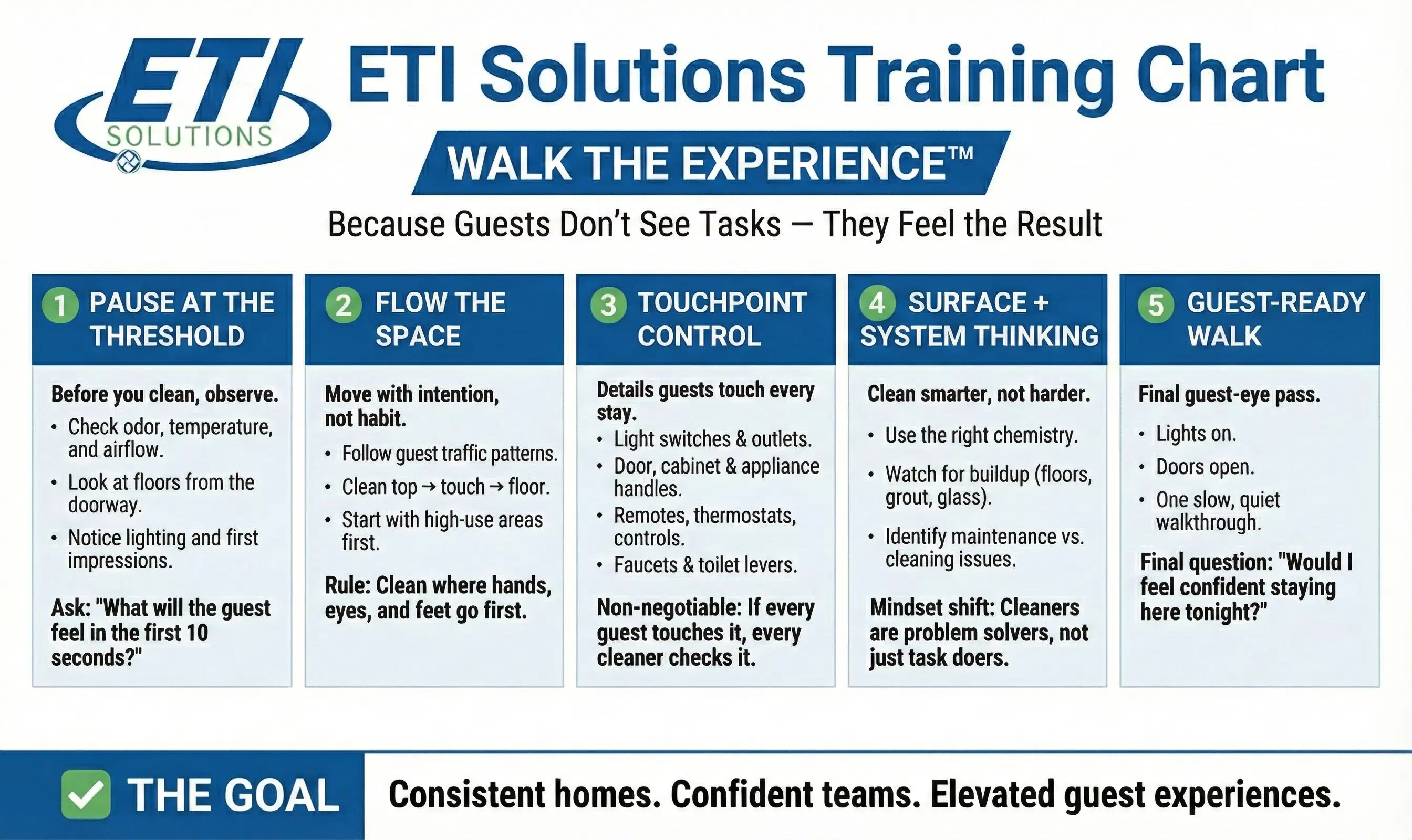
ETI Solutions uses the Walk the Experience approach to help teams move beyond task completion. The goal is not simply to finish a list. The goal is to understand what the guest sees, touches, smells, and feels during the first moments of arrival.
That shift improves quality without requiring endless extra work.
Training Cannot Live in One Person’s Head
Tribal knowledge is one of the most expensive systems in hospitality.
It sounds like:
“Maria knows which product works on that shower.”
“Ask James how to handle the floors in Unit 14.”
“The old team had a special way to clean that sofa.”
“Only the lead cleaner knows what the owner expects.”
This knowledge may help one property run smoothly. It does not scale.
When that experienced person is absent, promoted, or leaves, your operation loses more than an employee. It loses undocumented processes, product logic, quality standards, and problem-solving ability.
The solution is to turn individual knowledge into a repeatable operating system.
That means combining:
Structured onboarding
Hands-on field training
Visual SOPs
Surface and chemistry protocols
Property-specific standards
Cleaner sign-offs
Supervisor audits
Short refresher training
Documented exception handling
Training should also be practical. Show cleaners how to identify buildup, recognize a surface risk, select the right tool, and escalate a maintenance issue.
When your team understands the reason behind a step, they are more likely to perform it correctly under pressure.
Build a Standardized Turnover System
Standardization does not mean every property is identical.
A beach condo, mountain cabin, and urban apartment may have different surfaces, soils, traffic patterns, and laundry demands. Standardization means your team has a consistent method for managing those differences.
A strong system includes five connected parts.
1. Smarter Chemistry
Limit your approved product lineup. Match each formula to a defined use case. Build clear dilution instructions and surface protocols.
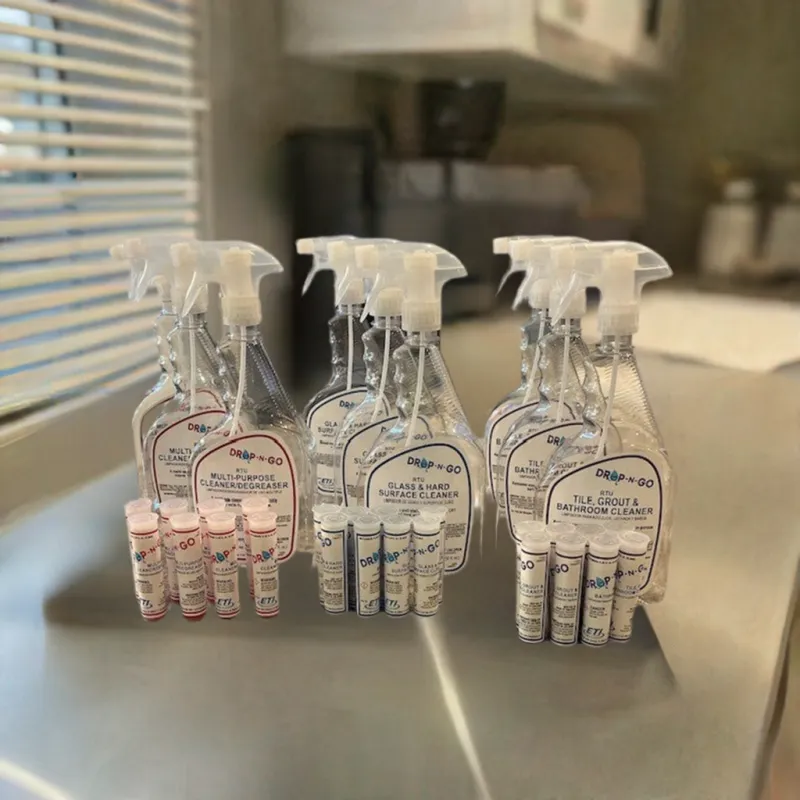
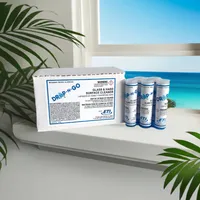
Drop N Go helps simplify this process with refillable bottles and pre-measured cartridges. The system reduces guesswork by giving teams a repeatable way to prepare cleaning solutions while taking up less storage space than traditional bulk inventory.
Explore the Drop N Go product line and replacement cartridges.
2. Better Training
Teach the process in the property, not only in a classroom. Demonstrate the sequence. Explain the chemistry. Practice the guest-ready walk.
ETI Solutions provides training and consulting programs for teams that need cleaner properties, faster turnovers, and more confident staff.
3. Visual SOPs
A long document rarely changes behavior during a rushed turnover.
Use concise checklists, photos, color coding, and simple decision points. Put the information where the work happens.
4. Controlled Dispensing
If every cleaner controls their own dose, your chemical cost will vary.
Measured cartridges, pumps, labeled bottles, and defined refill procedures create control without adding complexity. They also make inventory easier to forecast.
5. Measurable Cost per Turn
You cannot manage leakage that you do not measure.
Track the cost of the complete turnover, not only the cleaner’s hourly rate.
The Metrics That Reveal Margin Leakage
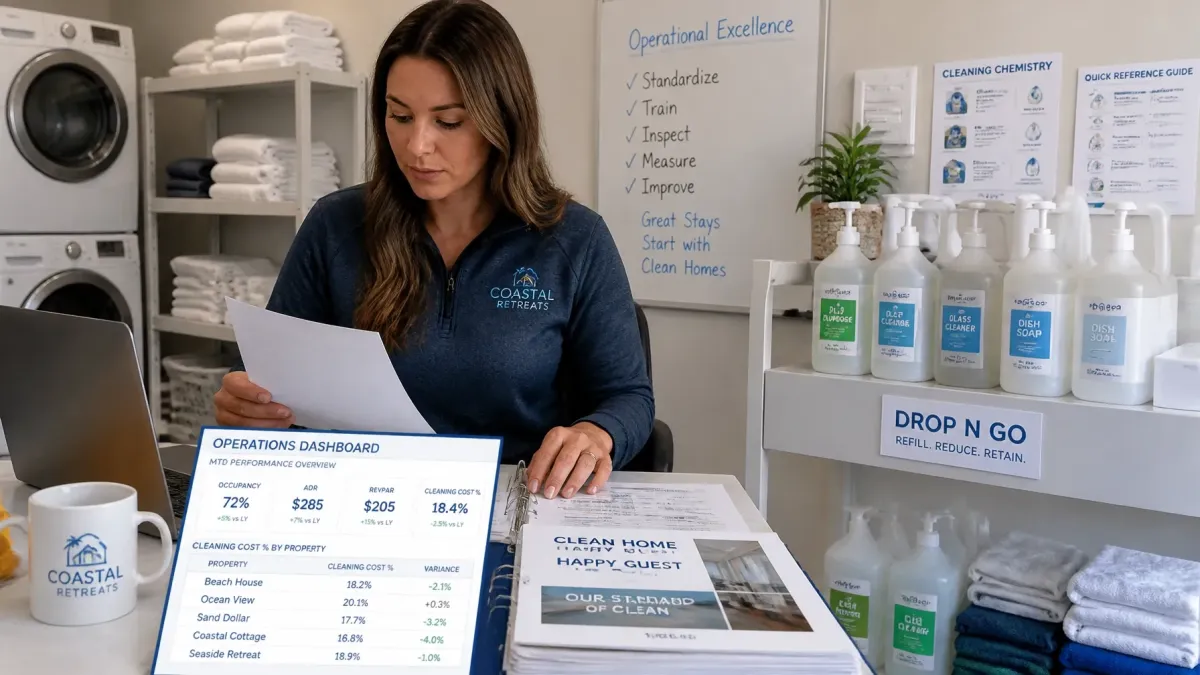
Start with a simple dashboard by property, location, and cleaning team.
Track:
Labor hours per turnover
Chemical cost per turnover
Re-clean rate
Overtime hours
Missed or late turnovers
Supply consumption by property
Surface damage and maintenance incidents
Training hours per new cleaner
Inspection pass rate
Actual cost per turn versus target cost
A basic formula can expose the problem:
Actual cost per turn = labor + chemistry + consumables + travel + re-clean labor + allocated training and supervision
Compare that number with your planned cost per turn.
The difference is your first estimate of operational leakage.
Do not use the data only to punish cleaners. Use it to identify broken systems. If one team consistently uses more product, ask whether the dispensing method is unclear. If one property has repeated re-cleans, ask whether its surface protocols or scope are incomplete.
The goal is correction, not blame.

A Practical 90-Day Path to Less Leakage
You do not need to rebuild your entire operation in one week.
Days 1–30: Establish the baseline
Choose a representative group of properties. Measure labor time, supply use, re-cleans, missed turnovers, and inspection results.
Look for patterns. Do not optimize based on one unusually difficult property.
Days 31–60: Standardize the system
Create your approved product list, surface protocols, turnover scopes, visual SOPs, and target cost-per-turn ranges.
Train supervisors first. They must reinforce the system every day.
Days 61–90: Pilot, measure, and expand
Pilot the new process with selected cleaners and properties. Compare results against your baseline.
Watch for improvements in:
Turnover consistency
Product usage
Re-clean frequency
Training time
Inspection scores
Cost per turn
Then refine the system before expanding it across the portfolio.
Protect the Margin Behind the Guest Experience
A spotless property creates reviews, repeat bookings, and trust. But the clean does not happen by accident.
It happens because your team has the right chemistry, the right tools, the right training, and a process that holds together when volume increases.
That is the operational advantage of standardization.
ETI Solutions is not simply a source for commercial cleaning supplies or professional cleaning supplies. ETI Solutions helps vacation rental operators understand why cleaning breaks down and how to build systems that make quality repeatable.
Drop N Go supports that system with refillable products, controlled cartridges, cleaning tools, and simplified supply management.
If you are ready to stop guessing where your margin goes, book a consultation with ETI Solutions. Build a turnover operation that protects your properties, strengthens your team, and preserves portfolio value: one consistent turn at a time.